
Description
Homemade caramel or butterscotch sauce brings a rich, buttery sweetness to almost any dessert. Caramel sauce is made by cooking white sugar until it turns a beautiful amber color, while butterscotch sauce uses brown sugar and butter for a deeper, molasses-like flavor. Both versions become silky, glossy toppings that are delicious over ice cream, brownies, cheesecake, pancakes, and fresh fruit. This easy homemade recipe uses simple ingredients and lets you adjust the thickness and flavor to your liking. Although these sauces are indulgent rather than high-protein or low-carb foods, they can be enjoyed in small portions as part of a balanced eating pattern.
Can Homemade Caramel or Butterscotch Sauce Support Weight Loss Goals?
Caramel and butterscotch sauces are primarily sources of added sugar and fat, so portion size is important when working toward weight-related goals. A small drizzle can add sweetness and flavor to plain yogurt, fruit, or a homemade dessert without requiring a large serving. However, neither sauce is a meaningful source of protein or fiber, and they should not be considered weight-loss foods. For a more filling dessert, pair a measured amount with plain Greek yogurt or fresh fruit. Enjoying a small serving mindfully can fit into an overall balanced eating pattern.
Does Homemade Caramel or Butterscotch Sauce Fit a High-Protein Lifestyle?
These sauces are not naturally high in protein because their main ingredients are sugar, butter, and cream.
Traditional caramel uses granulated white sugar, while butterscotch typically uses brown sugar and butter for its distinctive flavor.
Both contain substantial added sugar and very few carbohydrates from fiber, so their net carbs are close to their total carbohydrates.
For a high-protein dessert, drizzle a small amount over plain Greek yogurt or a protein-rich pudding.
For lower-carb preferences, a sugar-free alternative may be an option, but its taste, texture, and nutritional profile will depend on the sweetener used.
My Personal Experience
These points describe the expected results of the recipes rather than claiming personal kitchen testing.
- A glossy, golden caramel finish: Properly cooked sugar creates a deep amber color and a rich, toasted sweetness.
Adding warm cream carefully helps transform the caramel into a smooth sauce. - A buttery butterscotch flavor: Brown sugar brings molasses notes that blend beautifully with butter and cream.
Vanilla and a small pinch of salt balance the sweetness and enhance the buttery taste. - Easy dessert upgrades: A spoonful of either sauce can make ice cream, brownies, cakes, or pancakes feel more special.
The sauce can be served warm for easy drizzling or chilled for a thicker topping. - Simple homemade customization: You can control the saltiness, thickness, and vanilla flavor more easily than with many ready-made toppings.
A little extra cream makes the sauce thinner, while additional gentle simmering makes it thicker.
Perfect For
- Ice cream toppings: Pour warm caramel or butterscotch over vanilla, chocolate, or coffee ice cream.
- Cake and brownie desserts: Drizzle over brownies, cheesecake, pound cake, or cupcakes.
- Pancakes and waffles: Use a small amount in place of syrup for a rich, buttery finish.
- Coffee drinks: Stir a little sauce into coffee or a homemade latte.
- Homemade dessert gifts: Transfer cooled sauce into a clean, food-safe jar and refrigerate.
- High-protein desserts: Add a small drizzle to Greek yogurt or a protein pudding.
- Low-carb eating adaptations: Consider a separately developed sugar-free sauce if it fits your dietary needs; the standard recipes are not low-carb.
- Special occasions: Serve either sauce alongside fruit, baked apples, or a dessert platter.
Why You’ll Love This Recipe
- Two delicious flavors: Make caramel for a toasted, slightly bittersweet sugar flavor or butterscotch for a richer brown-sugar taste.
Both recipes use everyday ingredients and work well as versatile dessert toppings. - Simple ingredients: Sugar, butter, cream, vanilla, and salt create a sauce with plenty of flavor.
You do not need artificial flavorings or complicated equipment to make a basic batch. - Adjustable consistency: Simmer gently for a thicker sauce or add a little cream to make it easier to pour.
Remember that both sauces thicken further as they cool. - Useful for many desserts: A single batch can be used over ice cream, cheesecake, brownies, fruit, and baked goods.
The sauce can also add sweetness to coffee drinks or milkshakes. - Easy to make ahead: Both sauces can be refrigerated in an airtight container and gently rewarmed when needed.
Having a small jar ready makes it easy to dress up a simple dessert.
Common Mistakes to Avoid
- Burning the sugar: Caramel can go from amber to burnt very quickly. Watch the color carefully and remove the pan from the heat once the sugar reaches a deep amber shade.
- Adding cold cream too quickly: Cold cream can make hot caramel bubble violently and may cause the sugar to seize into hard pieces. Warm the cream gently and add it gradually off the heat, keeping your hands and face away from the steam.
- Cooking the sauce for too long: Excessive cooking can make the sauce too thick or chewy after cooling. Stop when it is slightly thinner than your desired final consistency.
- Using high heat for butterscotch: Brown sugar and butter can scorch if heated too aggressively. Use medium to medium-low heat and stir frequently until the mixture is smooth and glossy.
Required Equipment
- Heavy-bottomed saucepan — Distributes heat more evenly and helps reduce the chance of burning the sugar.
- Heat-resistant spatula or wooden spoon — Helps mix the butterscotch ingredients and scrape the pan safely.
- Whisk — Helps blend the cream and butter into a smooth sauce.
- Measuring cups and spoons — Keep the ingredient ratios consistent.
- Candy thermometer, optional — Helps monitor temperature when you want more precise control over the final texture.
- Heat-resistant measuring jug — Makes warming and carefully pouring cream easier.
- Heatproof glass jar or container — Provides a suitable container for storing cooled sauce in the refrigerator.
Storage Instructions
Refrigerator: Let the sauce cool, then transfer it to a clean, airtight, heat-safe container. Refrigerate promptly at 40°F (4°C) or below. For these homemade recipes, use within about 2 weeks for best quality, unless a trusted recipe or food-safety recommendation specifies a shorter period.
Freezer: Both sauces can generally be frozen in a freezer-safe container for around 2–3 months for best quality. Leave some room for expansion and thaw in the refrigerator before reheating. Texture may change slightly after thawing.
Reheating: Warm a small amount in a microwave-safe bowl in short 5–10-second intervals, stirring between each interval. Alternatively, warm it gently in a saucepan over low heat. If the sauce is too thick, stir in a teaspoon of cream at a time.
Food safety: Do not store homemade dairy-based sauce at room temperature for extended periods. Discard it if you notice mold, an unusual smell, or other signs of spoilage. Never taste a sauce to determine whether it is safe.
Meal-planning tip: Portion the sauce into a small serving dish instead of pouring directly from the jar to make it easier to control how much you use.
Recipe Details
- Preparation Time: 5 minutes
- Cooking Time: 10–15 minutes for caramel; about 10 minutes for butterscotch
- Total Time: Approximately 15–20 minutes
- Servings: About 12 tablespoons per recipe, depending on reduction
- Best Season for This Recipe: All-season
- Total Calories (Per Serving): Approximately 90–110 calories per 1-tablespoon serving, depending on the version
Nutrition is approximate and varies with the ingredients and final sauce yield. The two recipes below are separate options; choose one batch or prepare both.
Short 3-Line Description
Homemade caramel and butterscotch sauces are rich, buttery toppings made with simple kitchen ingredients.
Caramel offers a toasted amber-sugar flavor, while butterscotch has a deeper brown-sugar and butter taste.
Drizzle either sauce over ice cream, brownies, pancakes, or fruit for an easy homemade dessert upgrade.
📝 Ingredients
Option 1: Homemade Caramel Sauce
- 1 cup (200 g) granulated white sugar — Creates the classic caramel flavor and amber color.
- 1/4 cup (60 ml) water — Helps the sugar dissolve evenly at the beginning.
- 1/2 cup (120 ml) heavy cream — Warm gently before using to reduce temperature shock.
- 4 tablespoons (56 g) unsalted butter, cut into pieces — Adds richness and a silky texture.
- 1 teaspoon vanilla extract — Adds a warm aroma and rounds out the flavor.
- 1/4 teaspoon salt, or to taste — Balances the sweetness; use flaky salt for a salted caramel variation.
Option 2: Homemade Butterscotch Sauce
- 1/2 cup (100 g) packed brown sugar — Provides the signature molasses-like flavor.
- 4 tablespoons (56 g) unsalted butter — Creates a rich, buttery base.
- 1/2 cup (120 ml) heavy cream — Gives the sauce a smooth, pourable consistency.
- 1 teaspoon vanilla extract — Enhances the brown-sugar flavor.
- 1/4 teaspoon salt, or to taste — Balances the sweetness.
Directions
Option 1: Homemade Caramel Sauce
- Prepare the ingredients — 5 minutes.
Measure the sugar and water, cut the butter into pieces, and warm the cream gently in a separate saucepan over low heat or in a microwave-safe jug. Keep the warm cream close to the stove so it is ready when the sugar turns amber. - Dissolve the sugar — 2–3 minutes.
Add the sugar and water to a heavy-bottomed saucepan. Heat over medium heat, stirring gently until the sugar is moistened and begins to dissolve. Once the mixture starts boiling, stop stirring and gently swirl the pan if needed. - Caramelize the sugar — 5–8 minutes.
Allow the syrup to bubble over medium heat until it becomes a clear golden amber color. Watch carefully near the end because the color can deepen quickly. If the sugar smells burnt or turns very dark, the finished sauce may taste bitter. - Add the butter — 1–2 minutes.
Remove the pan from the heat. Carefully whisk in the butter a few pieces at a time. The mixture will bubble, so keep your face and hands away from the pan. Whisk until the butter is mostly incorporated. - Add the warm cream — 1–2 minutes.
Slowly pour in the warm cream while whisking continuously. The caramel may foam vigorously or briefly form hard pieces. Return the pan to low heat and stir gently until any small hardened pieces dissolve and the sauce looks smooth. - Finish the flavor — 1 minute.
Stir in the vanilla and salt. If the sauce looks very thin, simmer gently for another minute or two, remembering that it will thicken as it cools. - Cool before storing.
Transfer the sauce carefully to a heatproof container. Let it cool before sealing and refrigerating. It should be glossy and pourable, with a deep golden-brown color.
Option 2: Homemade Butterscotch Sauce
- Measure the ingredients — 2 minutes.
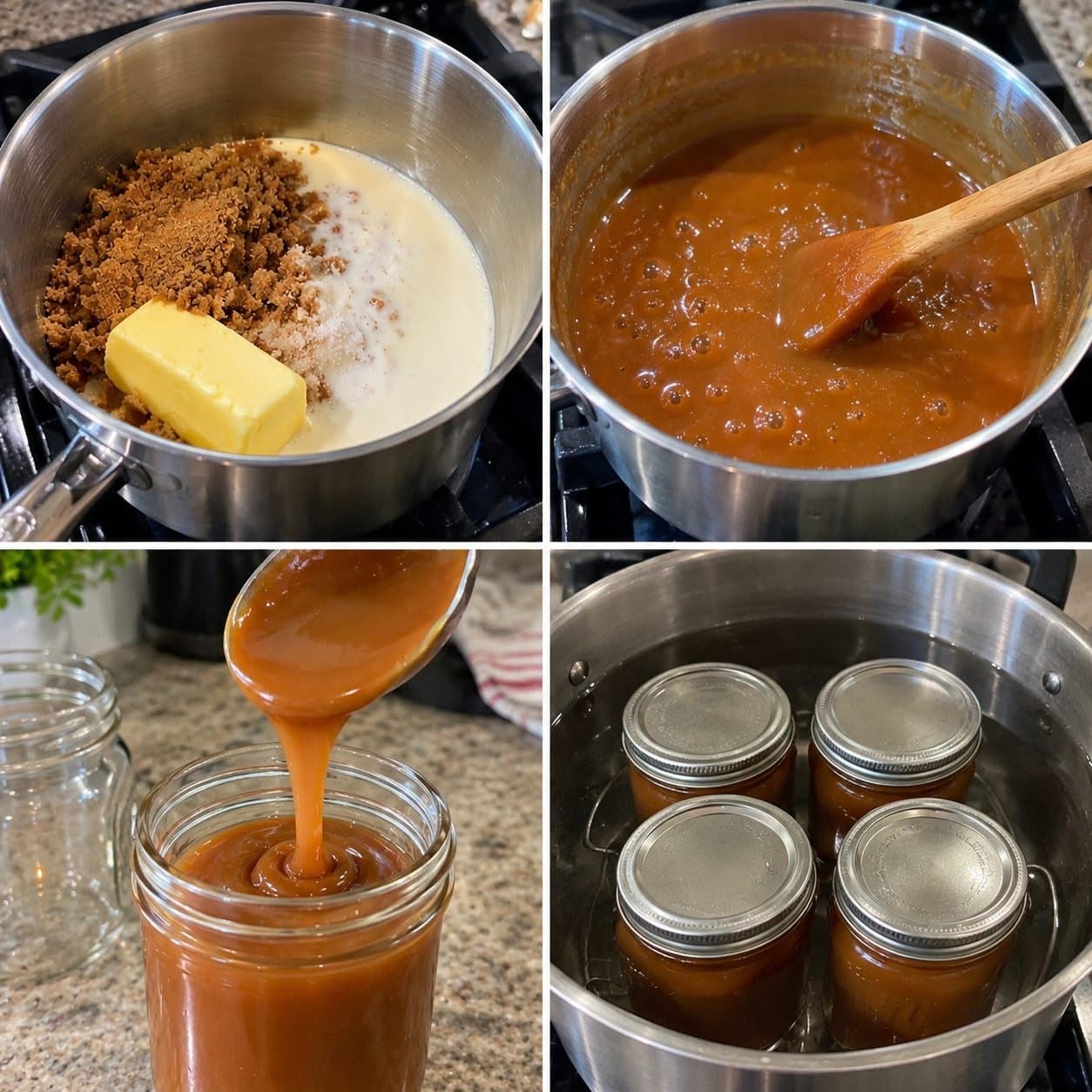
Measure the brown sugar, butter, cream, vanilla, and salt. Keep the cream nearby and use a heavy-bottomed saucepan for even heating. - Melt the butter and sugar — 3–4 minutes.
Place the butter and brown sugar in the saucepan over medium-low heat. Stir frequently until the butter melts and the sugar is evenly moistened. The mixture should look glossy rather than dry or grainy. - Add the cream — 1–2 minutes.
Pour in the cream gradually while stirring. The mixture will bubble as it warms. Continue stirring until the sauce becomes uniform and the sugar has dissolved. - Simmer gently — 3–5 minutes.
Bring the sauce to a gentle simmer over medium-low heat, stirring frequently. Cook until it looks smooth, shiny, and slightly thickened. Avoid a vigorous boil, which can cause scorching or make the sauce too thick after cooling. - Add vanilla and salt — 1 minute.
Remove the saucepan from the heat and stir in the vanilla and salt. Taste carefully once the sauce has cooled slightly, then adjust the salt if needed. - Cool and store.
Transfer the sauce to a heat-safe container and allow it to cool. The sauce will become thicker as it cools and will thicken further in the refrigerator.
Texture Tips for Both Sauces
- For a thinner drizzle: Stir in a teaspoon of warm cream at a time after cooking.
- For a thicker topping: Simmer gently for a little longer, keeping in mind that the sauce thickens as it cools.
- For salted caramel or butterscotch: Add a small extra pinch of salt and taste before adding more.
- For smooth sauce: Use gentle heat and avoid splashing water into the hot sugar mixture.
- For safety: Hot sugar and caramel can cause severe burns. Keep children away from the stove and never taste the sauce while it is hot.
Nutrition Facts (Per Serving – Approximate)
Estimated per 1 tablespoon of sauce. Values vary by brand, ingredient proportions, and final yield.
Caramel Sauce
- Calories: 90 kcal
- Total Fat: 6 g
- Cholesterol: 18 mg
- Sodium: 35 mg
- Potassium: 15 mg
- Total Carbohydrates: 9 g
- Fiber: 0 g
- Net Carbs: 9 g
- Sugars: 9 g
- Protein: 0 g
- Calcium: 10 mg
Butterscotch Sauce
- Calories: 105 kcal
- Total Fat: 7 g
- Cholesterol: 20 mg
- Sodium: 40 mg
- Potassium: 25 mg
- Total Carbohydrates: 10 g
- Fiber: 0 g
- Net Carbs: 10 g
- Sugars: 10 g
- Protein: 0 g
- Calcium: 15 mg
These nutrition values are estimates rather than laboratory-tested measurements. Net carbs are calculated as total carbohydrates minus fiber. The sauces are intended as dessert toppings, not as sources of protein or as low-carb foods.
Notes
- Caramel vs. butterscotch: Caramel is made by browning white sugar before adding butter and cream. Butterscotch uses brown sugar and butter together, producing a deeper, molasses-like flavor. <Cite refs={[“turn749254search3″,”turn749254news12”]}/>
- Salted variation: Add a little extra salt to either recipe to balance the sweetness.
- Dairy-free variation: A suitable plant-based butter and full-fat coconut cream may work, but flavor, texture, and storage life can differ.
- Allergy notes: Both standard recipes contain dairy. Check packaged ingredients for additional allergens.
- Flavor boosts: Try a little espresso powder, cinnamon, or extra vanilla for a different dessert topping.
- Storage: Keep refrigerated in a sealed container and warm gently before serving.
- High-protein dessert idea: Serve a small drizzle over plain Greek yogurt, cottage cheese, or a suitable protein pudding.
- Lower-carb note: Regular sugar is the primary carbohydrate source. A sugar-free version requires a different recipe and may not produce the same texture or flavor.
Frequently Asked Questions
1. What is the main difference between caramel and butterscotch sauce?
Caramel sauce starts with caramelized white sugar, while butterscotch typically uses brown sugar and butter for a deeper, buttery flavor.
2. Why did my caramel sauce become hard when I added cream?
The temperature difference can cause the sugar to seize temporarily, but gentle reheating and stirring usually help dissolve small hardened pieces.
3. How can I make homemade caramel sauce thicker?
Simmer it gently for a little longer, remembering that it will thicken further as it cools.
4. Can I make caramel or butterscotch sauce ahead of time?
Yes, prepare it in advance, cool it, and refrigerate it in a clean airtight container.
5. Can I reheat the sauce if it becomes too thick?
Yes, warm it gently and stir in a small amount of cream if needed to restore a pourable consistency.
6. Is homemade caramel or butterscotch sauce suitable for a low-carb or high-protein diet?
The standard recipes are high in added sugar and low in protein, but a small portion can be paired with a protein-rich food as a dessert topping.