
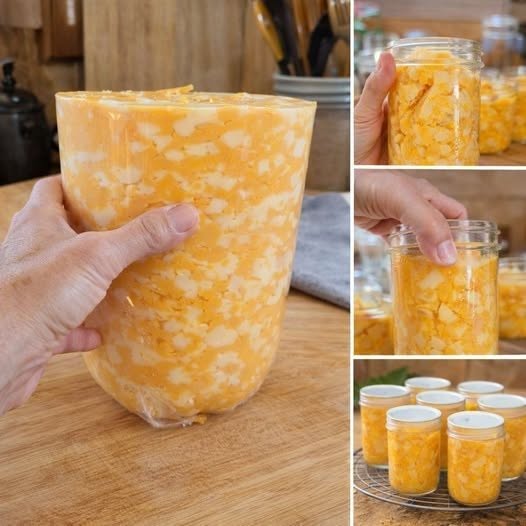
Description
Colby and cheddar cheese bring a rich, creamy texture and satisfying savory flavor to everything from breakfast omelets to sandwiches and casseroles. Both cheeses are naturally rich in protein and typically low in carbohydrates, making them useful ingredients for high-protein and low-carb meals.
Although home canning may seem convenient, there is no tested, recommended home-canning process for cheese. The best way to preserve its flavor and quality is to refrigerate it properly or freeze portions for later use.
Can This Colby Cheddar Cheese Preservation Method Support Weight Loss Goals?
Colby and cheddar provide protein and fat, which can help make meals satisfying. Their carbohydrate content is generally low, so moderate portions can fit into many low-carb eating patterns.
For weight-management goals, portion size matters because cheese is also calorie-dense. Pairing a measured serving with vegetables, eggs, or another protein-rich food can help create a balanced meal. No single food guarantees weight loss.
Does Colby Cheddar Cheese Fit a High-Protein Lifestyle?
Yes. Colby and cheddar contain substantial protein, with the exact amount depending on the brand and variety. Plain cheese usually contains very few carbohydrates, so its net carbs are typically low. It can be added to omelets, salads, wraps, and low-carb snacks. Refrigeration and freezing preserve the cheese without the safety risks associated with untested home canning.
My Personal Experience
These points describe the practical qualities you can expect from the storage methods; they are not claims of personal recipe testing.
- Convenient meal preparation: Dividing cheese into small portions makes it easy to grab the amount needed for a quick breakfast or snack.
Pre-shredded or portioned frozen cheese can be especially handy for cooking on busy days.
- Rich flavor stays versatile: Properly wrapped Colby and cheddar retain their characteristic savory, creamy taste during refrigerated storage.
Freezing may change the texture, but the cheese is still useful in cooked dishes.
- Less food waste: Freezing extra cheese helps prevent a large block from sitting unused until its quality declines.
Labeling each package with the date makes it easier to rotate older portions first.
Perfect For
- High-protein meals: Add grated cheddar or Colby to eggs, chicken, or vegetable dishes.
- Low-carb recipes: Use measured portions in salads, omelets, and low-carb casseroles.
- High-protein snacks: Pair cheese with boiled eggs or fresh vegetables.
- High-protein breakfast: Sprinkle cheese over scrambled eggs or a vegetable omelet.
- Keto-style meal planning: Plain cheese can fit many keto-style menus because it is generally low in carbohydrates.
- Meal prep: Freeze portions for future recipes and reduce waste.
- Family cooking: Keep refrigerated cheese ready for sandwiches, pasta, and baked dishes.
Why You’ll Love This Cheese Storage Guide
- Simple and practical: Refrigeration works well for cheese you plan to eat soon.
Freezing provides a convenient option for larger quantities without attempting unsafe pantry preservation.
- Supports protein-rich eating: Colby and cheddar supply protein in a small serving.
Their savory flavor also helps make simple meals more satisfying.
- Flexible for everyday recipes: Both cheeses melt well in many cooked dishes, although frozen cheese may become more crumbly.
Use previously frozen portions in casseroles, sauces, omelets, and baked recipes.
- Helps reduce waste: Portioning cheese before freezing makes it easier to use only what you need.
Airtight wrapping helps protect against drying and freezer odors.
- Avoids unsafe canning practices: No invented processing time or pressure setting is needed.
Refrigeration and freezing are safer choices than sealing cheese in jars for room-temperature storage.
Common Mistakes to Avoid
- Treating a sealed jar as proof of safety: A lid that seals does not mean the cheese has been safely preserved for pantry storage.
- Using an oven or water-bath canner: These are not recommended methods for home-canning cheese.
- Freezing cheese without wrapping it well: Air exposure can cause drying, freezer burn, and unwanted odors.
- Freezing one large block when you need small portions: Dividing the cheese before freezing makes later use more convenient.
Required Equipment
- Food-safe wrapping or freezer bags — Helps protect cheese from air and freezer burn.
- Airtight food-storage containers — Keeps refrigerated cheese covered and helps limit odor transfer.
- Sharp knife and clean cutting board — Makes it easy to divide a block into convenient portions.
- Kitchen scale or measuring cup — Helps portion cheese for recipes and nutrition tracking.
- Permanent marker and labels — Makes it easy to record the cheese type and storage date.
- Refrigerator and freezer thermometer — Helps verify that food is kept at safe temperatures.
Storage Instructions
Refrigerator: Keep cheese at or below 40°F (4°C). Wrap it tightly in suitable cheese paper or food-safe wrapping, then place it in a clean, covered container. Follow the package’s use-by guidance and discard cheese that shows spoilage.
Freezer: For best quality, divide the cheese into meal-sized portions. Wrap each portion tightly, place it in a freezer-safe bag or airtight container, remove excess air, and label it with the date. Use within about six months for best quality; it may remain safe longer if continuously frozen, but its texture can deteriorate.
After thawing: Thaw frozen cheese in the refrigerator. Use it in a reasonable period, follow package guidance, and avoid leaving it at room temperature for extended periods. Previously frozen cheese is often best for cooking because it may become crumbly.
Important safety note: Do not store home-canned Colby or cheddar at room temperature. There is no validated home-canning process for cheese, and unsafe canned foods may look and smell normal.
Recipe Details
- Preparation Time: 10–15 minutes
- Cooking Time: None
- Total Time: 10–15 minutes, plus storage time
- Servings: Depends on the quantity of cheese portioned
- Best Season: All-season
- Total Calories per Serving: Approximately 110–120 calories for a 1-ounce (28-gram) serving; actual values vary by cheese brand
Short 3-Line Description
Colby and cheddar are flavorful, protein-rich cheeses that fit many low-carb meal plans.
Portioning and wrapping them properly helps preserve quality and makes everyday cooking easier.
For safety, refrigerate or freeze cheese instead of home-canning it for pantry storage.
Ingredients
- Colby cheese: 8 ounces (225 grams), or the amount you have available.
- Cheddar cheese: 8 ounces (225 grams), or the amount you have available.
- Food-safe wrapping: As needed for each portion.
- Freezer-safe bags or airtight containers: As needed for storage.
- Labels and marker: For identifying the cheese and storage date.
No added salt, oil, water, or preservatives are required for this storage method.
Directions
- Inspect the cheese. Begin with cheese that has been stored correctly and is within its package guidance. Do not preserve cheese that has been left out too long or shows signs of spoilage.
- Prepare a clean work surface. Wash your hands and clean the knife and cutting board. Keep the cheese out of the refrigerator only as long as necessary.
- Portion the cheese. Cut Colby and cheddar into meal-sized blocks, or shred them if you mainly plan to use them in cooked recipes. Smaller portions are easier to use without thawing a large quantity.
- Wrap securely. Wrap each portion tightly in suitable food-safe wrapping. Place wrapped portions in airtight containers or freezer-safe bags to reduce exposure to air.
- Label each package. Write the cheese type and storage date on the label. If freezing several varieties, label them separately so you can identify them easily.
- Refrigerate what you will use soon. Keep it at or below 40°F (4°C), following the package storage instructions.
- Freeze the remaining portions. Place them in the freezer promptly. For best quality, aim to use frozen cheese within about six months.
- Thaw safely when needed. Move a portion to the refrigerator and allow it to thaw. Use it in cooked dishes if its texture has become crumbly.
High-protein tip: Measure portions according to your meal plan and combine cheese with eggs, lean meats, beans where appropriate, or vegetables for a more balanced meal.
Do not process these jars in a canner or oven for shelf-stable storage. This method is for refrigeration and freezing only.
Nutrition Facts (Per 1-Ounce / 28-Gram Serving, Approximate)
The following estimates represent a typical serving of Colby or cheddar cheese. Values vary by variety and manufacturer.
- Calories: 110–120
- Total Fat: 9–10 g
- Cholesterol: 25–30 mg
- Sodium: 170–200 mg
- Potassium: 20–30 mg
- Total Carbohydrates: 0–1 g
- Fiber: 0 g
- Net Carbs: 0–1 g
- Sugars: 0–1 g
- Protein: 6–7 g
- Calcium: Approximately 180–200 mg
These figures are estimates, not laboratory-tested values. Check the nutrition label on your specific cheese for the most accurate information.
Notes
- Storage safety: Home canning is not recommended for Colby, cheddar, or other cheeses because no validated process is available.
- Reheating: Cheese does not need reheating for storage. Add refrigerated or thawed cheese directly to recipes and heat the finished dish until thoroughly hot.
- Texture: Frozen cheese may crumble more easily than fresh cheese. This is usually less noticeable in cooked recipes.
- Allergies: Cheese made from cow’s milk contains milk proteins and is unsuitable for people with a milk allergy. Lactose content varies by product.
- Flavor boosts: Try pairing cheddar with paprika, black pepper, chives, or garlic in recipes. Add herbs to the finished dish rather than placing fresh herbs in jars for room-temperature storage.
- Food safety: Never taste food from a jar that has been home-canned using an untested cheese-preservation method.
Frequently Asked Questions
1. Can I safely pressure-can Colby or cheddar cheese at home?
No, there are no validated home-canning instructions for either cheese, even when using a pressure canner.
2. Can I use a water-bath canner for cheese?
No, a boiling-water bath is not a recommended or tested method for canning cheese.
3. Can I freeze Colby and cheddar cheese?
Yes, both can be frozen, although their texture may become more crumbly after thawing.
4. How long can frozen cheese be stored?
About six months is a useful target for best quality, provided the cheese remains continuously frozen.
5. Are Colby and cheddar suitable for low-carb meals?
Generally yes, because plain varieties usually contain very few carbohydrates, but check the nutrition label.
6. Does a sealed jar mean home-canned cheese is safe?
No, a vacuum seal does not prove that harmful microorganisms or toxins have been controlled.