
Table of Contents
ToggleDescription
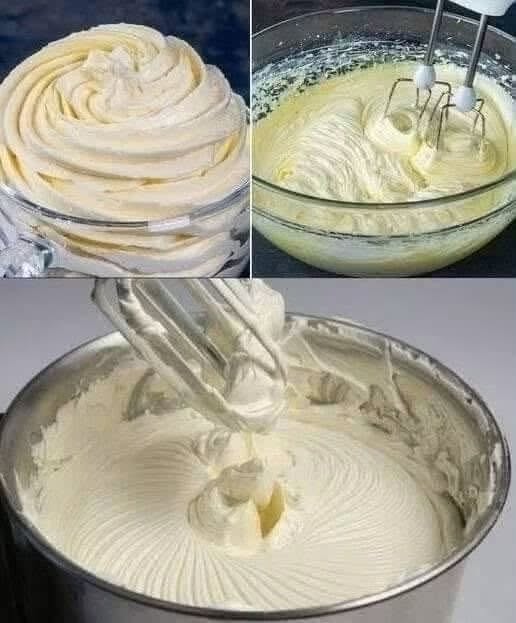
This silky vanilla frosting is light, creamy, and beautifully fluffy, with a smooth texture that spreads easily over cakes, cupcakes, pancakes, and other desserts. Greek yogurt gives it a subtle tang while vanilla and a touch of butter create a classic frosting-style flavor.
It’s a lighter alternative to traditional buttercream and works especially well for anyone looking for a high-protein, lower-carb dessert topping. The result is creamy and satisfying without relying on a large amount of powdered sugar.
Can This High-Protein Vanilla Frosting Support Weight Loss Goals?
It can fit into a weight-conscious eating pattern when used in sensible portions. Using Greek yogurt as the base adds protein and helps create a satisfying topping while reducing the amount of butter and sugar typically found in traditional frosting.
For a lower-calorie version, use nonfat Greek yogurt and a low-calorie sweetener. Keep in mind that frosting is still an addition to a meal or dessert, so portion size matters.
Does High-Protein Vanilla Frosting Fit a High Protein Lifestyle?
Yes, this version can be a useful high-protein dessert topping because thick Greek yogurt provides most of the protein. Vanilla and a small amount of butter add classic frosting flavor without requiring large amounts of sugar. Depending on the yogurt and sweetener used, one serving contains approximately 5–6 g of protein and relatively low net carbs. It works particularly well when paired with a high-protein cake, pancakes, muffins, or yogurt dessert.
My Personal Experience
- The texture is thick and creamy.
Whisking the chilled Greek yogurt creates a smooth base that spreads easily without feeling heavy. - Vanilla gives it a classic frosting flavor.
A generous amount of vanilla makes the simple ingredients taste much more like traditional vanilla frosting. - It isn’t overwhelmingly sweet.
Using a controlled amount of sweetener lets the creamy, slightly tangy yogurt flavor come through. - It works beautifully on chilled desserts.
The frosting firms up in the refrigerator, making it especially easy to pipe or spread. - It’s much lighter than traditional buttercream.
The Greek yogurt base provides creaminess while reducing the amount of butter needed.
Perfect For:
- High-protein desserts: A protein-rich topping for cakes, brownies, and muffins.
- Low-carb recipes: Use a powdered low-carb sweetener to keep added carbohydrates low.
- High-protein snacks: Spread over protein pancakes or waffles.
- High-protein breakfast: Excellent on overnight oats, baked oats, or breakfast muffins.
- Keto-style desserts: Choose a suitable low-carb yogurt and sweetener.
- Cupcakes and cakes: Smooth enough to spread or pipe after chilling.
- Fruit desserts: Use as a creamy dip for berries and sliced fruit.
Why You’ll Love This Recipe
- Creamy and fluffy
Whipping the chilled ingredients creates a soft, airy texture that’s easy to spread. - Higher in protein than traditional frosting
Greek yogurt replaces much of the butter and sugar found in conventional frosting. - Lower in added sugar
A powdered sweetener can provide sweetness without relying on a large quantity of powdered sugar. - Easy to customize
Vanilla, cinnamon, lemon zest, cocoa, or almond extract can completely change the flavor. - Perfect for meal prep
Make it ahead, refrigerate it, and use it throughout the week on individual desserts.
Common Mistakes to Avoid
- Using watery yogurt — Excess liquid will make the frosting loose, so choose thick Greek yogurt and drain it if necessary.
- Whipping warm ingredients — Chilled ingredients help the frosting become thicker and more stable.
- Adding too much milk — This can quickly turn a spreadable frosting into a runny sauce.
- Over-sweetening — Add the sweetener gradually because different brands vary greatly in sweetness.
Required Equipment
- Electric hand mixer — Whips the yogurt mixture quickly and creates a lighter texture.
- Large mixing bowl — Provides enough room for the frosting to increase slightly in volume.
- Rubber spatula — Helps scrape the sides and fold the mixture evenly.
- Measuring spoons — Keeps vanilla and sweetener amounts consistent.
- Piping bag and tip, optional — Makes it easy to create decorative swirls on cupcakes and cakes.
Storage Instructions
Transfer the frosting to an airtight container and refrigerate promptly. It will keep well for approximately 3–4 days.
For the best texture, give it a quick stir before using if it has been refrigerated overnight. If it becomes too firm, allow it to sit at room temperature for about 5–10 minutes before spreading.
Freezing is not recommended because Greek yogurt can separate after thawing, resulting in a grainier texture. If necessary, freeze small portions for up to 1 month, then thaw overnight in the refrigerator and whisk briefly before using.
Recipe Details
- Preparation Time: 10 minutes
- Cooking Time: 0 minutes
- Chilling Time: 30 minutes
- Total Time: 40 minutes
- Servings: 12
- Best Season: All-season
- Total Calories: Approximately 55 calories per serving
Calories are an approximate estimate and vary according to the Greek yogurt, butter, and sweetener used.
Short 3-Line Description
This creamy vanilla frosting combines thick Greek yogurt with vanilla for a smooth, fluffy texture.
It’s higher in protein and lower in added sugar than traditional buttercream.
Perfect for cakes, cupcakes, pancakes, muffins, and other high-protein desserts.
📝 Ingredients
- 1½ cups plain Greek yogurt — about 340 g; use thick, strained yogurt
- 2 tablespoons unsalted butter — softened, not melted
- ½ cup powdered low-carb sweetener — adjust to taste
- 2 teaspoons vanilla extract
- ¼ teaspoon salt
- 1 tablespoon powdered skim milk — optional, helps increase creaminess and protein
- 1–2 teaspoons unsweetened almond milk — only if needed to adjust consistency
Important: If using regular powdered sugar instead of a low-carb sweetener, the carbohydrate and calorie values will be significantly higher.
Directions
- Chill the yogurt — 30 minutes.
For the thickest frosting, place the Greek yogurt in the refrigerator before starting. If your yogurt contains excess liquid, strain it through cheesecloth or a fine-mesh strainer. - Cream the butter — 1–2 minutes.
Place softened butter in a mixing bowl and beat on medium speed until smooth and creamy. Do not melt the butter. - Add the yogurt.
Add the chilled Greek yogurt gradually and beat on low speed for about 30 seconds until combined. - Add the dry ingredients.
Add powdered sweetener, optional skim milk powder, vanilla, and salt. Beat on medium speed for 1–2 minutes until the frosting becomes smooth and fluffy. - Check the consistency.
The frosting should be thick enough to hold soft peaks and leave visible ridges from the mixer. If it is too thick, add almond milk ½ teaspoon at a time. - Whip until fluffy — 1–2 minutes.
Increase to medium-high speed and whip briefly until the mixture looks smooth, airy, and creamy. Avoid excessive whipping because Greek yogurt can become thinner with prolonged mixing. - Chill — 30 minutes.
Refrigerate the frosting before decorating. The cold temperature helps it firm up and makes piping easier. - Decorate and serve.
Spread over completely cooled cakes or cupcakes, or pipe into decorative swirls using a piping bag.
Heat level: No cooking or heat required.
High-protein tip: Choose Greek yogurt with approximately 15–20 g protein per serving and use skim milk powder for an additional protein boost without adding much volume.
Nutrition Facts
Per Serving – Approximate
Estimated for 12 servings using nonfat Greek yogurt, 2 tablespoons butter, powdered zero-calorie sweetener, and optional skim milk powder.
- Calories: ~55 kcal
- Fat: ~2.5 g
- Cholesterol: ~8 mg
- Sodium: ~35 mg
- Potassium: ~55 mg
- Total Carbohydrates: ~3 g
- Fiber: ~0 g
- Net Carbs: ~3 g
- Sugars: ~1.5 g
- Protein: ~5 g
- Calcium: ~55 mg
Nutrition is approximate and can vary considerably depending on the Greek yogurt, sweetener, and whether skim milk powder is included.
Notes
- Storage: Keep covered and refrigerated for 3–4 days.
- Reheating: No reheating is necessary; serve chilled or slightly softened.
- Allergy notes: Contains dairy; use a suitable dairy-free yogurt alternative if necessary.
- Nut-free option: Omit almond milk and use a small amount of skim milk if desired.
- Flavor boost: Add lemon zest, cinnamon, almond extract, or a tiny amount of espresso powder.
- Chocolate version: Mix in 1–2 tablespoons unsweetened cocoa powder and adjust the sweetener.
- Strawberry version: Fold in a small amount of finely crushed freeze-dried strawberries after whipping.
- For piping: Chill the frosting for at least 30 minutes before transferring it to a piping bag.
- For a firmer frosting: Add a little more skim milk powder rather than adding extra sweetener.
Frequently Asked Questions
1. Is this frosting high in protein?
Yes, it provides approximately 5 g of protein per serving, with Greek yogurt supplying most of the protein.
2. Can I make this frosting without butter?
Yes, you can omit the butter, although the finished frosting will be tangier and less similar to traditional buttercream.
3. Can I use regular Greek yogurt?
Yes, but choose the thickest Greek yogurt available and strain excess liquid if necessary.
4. Is this frosting keto-friendly?
It can fit a keto-style diet when made with a low-carb yogurt and suitable zero-sugar sweetener, but always check the specific nutrition labels.
5. Can I pipe this frosting onto cupcakes?
Yes, chilling it for about 30 minutes first will make it considerably easier to pipe and help it hold its shape.
6. Why is my frosting too runny?
The most common causes are watery yogurt, warm ingredients, or too much added liquid, so use thick chilled yogurt and add any milk very gradually.