
Description
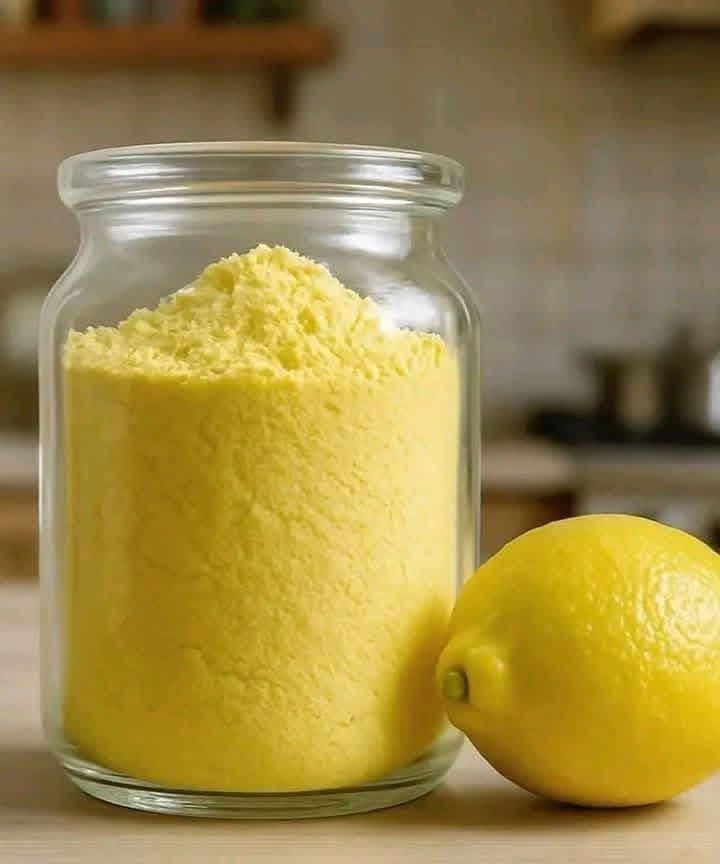
Homemade Lemon Powder is a simple way to preserve the bright, zesty flavor of fresh lemons for use throughout the year. Made by drying lemon peels and grinding them into a fine powder, this versatile ingredient adds a refreshing citrus aroma to baked goods, marinades, salad dressings, sauces, and homemade seasoning blends.
Instead of throwing away lemon peels after juicing, you can turn them into a useful pantry ingredient with very little effort. The key is to remove excess moisture, dry the peels thoroughly, and grind them into a fine powder. You can use a dehydrator, an oven set to a low temperature, or air-drying in suitable conditions.
Homemade lemon peel powder is convenient, economical, and easy to customize. A small amount can add a lively lemon flavor to recipes without needing fresh lemon juice every time.
Can Homemade Lemon Powder Support Weight Loss Goals?
Lemon powder can add citrus flavor to meals without requiring much added sugar, butter, or oil. Because it is generally used in small quantities, it contributes relatively few calories to most recipes.
However, lemon powder is not a weight-loss product, and there is no reason to expect it to cause weight loss on its own. Weight management depends on overall eating patterns, portion sizes, physical activity, and other individual factors.
For everyday cooking, lemon powder can be a useful way to make vegetables, fish, chicken, soups, and homemade dressings taste brighter while keeping the seasoning simple.
Does Homemade Lemon Powder Fit a High-Protein Lifestyle?
Lemon powder is naturally low in protein, so it is not a high-protein food by itself. Its main purpose is to provide concentrated lemon-peel flavor rather than substantial nutrition.
It can still be a useful addition to high-protein meals. Sprinkle a little over grilled chicken, fish, roasted chickpeas, or vegetables served alongside eggs and other protein-rich ingredients.
For a low-carb lifestyle, plain lemon peel powder is generally suitable when used in small quantities. Avoid adding sugar or other carbohydrate-rich ingredients if you want to keep your homemade seasoning simple.
My Personal Experience
- A great way to use leftover lemon peels.
Instead of discarding the peels after squeezing lemons, drying them turns them into a useful ingredient for future recipes. - The aroma becomes wonderfully concentrated.
Fresh lemon peels release a bright citrus fragrance when ground, making the powder especially useful for baking and savory seasoning blends. - Small amounts go a long way.
Because the flavor is concentrated, a little lemon powder can brighten sauces, marinades, and dressings without adding extra liquid. - It is convenient for everyday cooking.
Having a jar ready in the pantry makes it easy to add lemon flavor even when fresh lemons are unavailable.
Perfect For
- Homemade spice and seasoning blends
- Baking and dessert recipes
- Lemon cakes, cookies, and muffins
- Marinades for chicken and fish
- Salad dressings and sauces
- Soups and roasted vegetables
- Homemade citrus seasoning
- Pantry organization and food preservation
- Low-carb and high-protein meal seasoning
- Reducing food waste by using lemon peels
Why You’ll Love This Recipe
- Simple ingredients.
All you need is fresh lemon peel, with no added preservatives or artificial flavors. - Reduces food waste.
Making powder from leftover peels helps you use more of the lemon instead of throwing the outer skin away. - Versatile in the kitchen.
Use it in sweet recipes, savory dishes, marinades, dressings, and homemade seasoning mixes. - Easy to store.
Properly dried lemon powder takes up little space and is convenient to keep in a sealed container. - Customizable texture.
Grind it finely for baking or leave it slightly coarse for seasoning blends. - Available year-round.
Once prepared and stored correctly, lemon powder can be used long after the original lemons are gone.
Common Mistakes to Avoid
- Leaving too much white pith on the peel.
The white layer beneath the yellow skin can taste bitter. Remove as much as practical when preparing the peels. - Drying the peels unevenly.
Thick pieces may remain moist while thin pieces become brittle. Cut the peels into similarly sized strips and arrange them in a single layer. - Using excessive heat.
High temperatures can darken the peels and diminish their fresh citrus aroma. Use a low oven temperature or follow your dehydrator’s instructions. - Grinding before the peels are completely dry.
Residual moisture can cause clumping and increase the risk of spoilage. The peels should be brittle and snap rather than bend. - Packing the powder while it is warm.
Warm powder can create condensation inside the storage jar. Let the dried peels and ground powder cool completely before sealing. - Using wet equipment or containers.
Moisture can spoil the finished powder. Make sure the grinder and storage jar are completely clean and dry.
Required Equipment
- Vegetable peeler or small sharp knife — removes the lemon peel while helping you avoid excess white pith.
- Cutting board — provides a stable surface for preparing the peels.
- Baking tray and parchment paper — allow the peels to dry in a single layer in the oven.
- Food dehydrator (optional) — dries the peels evenly with controlled airflow.
- Blender, spice grinder, or coffee grinder reserved for food — turns brittle peels into fine powder.
- Fine-mesh sieve (optional) — separates larger pieces for a more uniform texture.
- Airtight glass jar — protects the finished powder from humidity and odors.
Storage Instructions
- Choose a dry container: Store the cooled powder in a clean, completely dry, airtight jar.
- Keep it away from moisture: Place the jar in a cool, dark cupboard away from steam, the stove, and direct sunlight.
- Use a dry spoon: Never dip a wet spoon into the jar.
- Check before using: Discard the powder if you notice mold, unusual odors, damp clumps, or other signs of spoilage.
- For best quality: Aim to use homemade lemon powder within approximately 3–6 months. Its aroma may gradually fade, and actual shelf life depends on how thoroughly it was dried and stored.
If you are uncertain whether the powder is fully dry, do not store it at room temperature for an extended period.
Recipe Details
- Prep Time: 15–20 minutes
- Drying Time: Approximately 2–4 hours in a low oven, or according to dehydrator instructions
- Grinding Time: 2–5 minutes
- Total Time: Approximately 2½–5 hours
- Yield: Varies with the number and size of lemons; 6–8 lemons generally produce a small jar
- Difficulty: Easy
- Cuisine: General pantry preparation
- Category: Homemade seasoning and food preservation
- Method: Dehydrating and grinding
Short Description
Homemade lemon powder is made by drying fresh lemon peels until brittle and grinding them into a fine, fragrant powder. Use it to add concentrated citrus flavor to baked goods, marinades, sauces, vegetables, and homemade seasoning blends.
Ingredients
- Peels from 6–8 fresh lemons
- No additional ingredients required
Important: Choose clean lemons that are suitable for use with their peel. Wash them thoroughly under running water before peeling. If using waxed or treated lemons, follow the supplier’s guidance for peel use; washing does not guarantee that all waxes or pesticide residues are removed.
Step-by-Step Instructions
Step 1: Wash the Lemons
Rinse the lemons thoroughly under running water and rub their surfaces with clean hands. Dry them with a clean towel.
Avoid using soap or household detergents on the fruit.
Step 2: Peel the Lemons
Use a vegetable peeler or small knife to remove the outer yellow layer. Try to avoid as much of the thick white pith as possible because it can add bitterness.
Save the lemon juice for drinks, cooking, or another recipe.
Step 3: Cut the Peels
Cut the peels into thin, relatively even strips. Smaller, thinner pieces generally dry more quickly and evenly than thick pieces.
Spread the strips in a single layer so air can circulate around them.
Step 4: Dry the Peels
Choose one of the following methods.
Oven method
- Preheat the oven to its lowest practical setting, ideally around 150–170°F (65–75°C).
- Arrange the peels on a parchment-lined baking tray.
- Dry for approximately 2–4 hours, checking regularly and turning the pieces as needed.
- Keep the oven door slightly ajar only if the appliance manufacturer permits it and it can be done safely.
- Remove the peels when they are fully brittle and snap easily.
Oven temperatures and drying times vary. If your oven cannot maintain a sufficiently low temperature, a food dehydrator is preferable.
Dehydrator method
- Arrange the peels in a single layer on the dehydrator trays.
- Set the dehydrator according to its manufacturer’s guidance for citrus peel.
- Dry until the peels are completely brittle, checking the thinner pieces first.
- Allow additional time if any pieces remain flexible.
Air-drying method
Spread the thin peels on a clean rack in a dry, well-ventilated area, protected from insects, dust, and direct moisture. This method may take several days and is less reliable in humid environments. Check the peels regularly and do not store them until fully dry.
Step 5: Cool the Peels
Remove the dried peels from the oven or dehydrator and let them cool completely on a clean, dry surface.
Check several pieces, including the thickest ones. They should snap cleanly rather than bend or feel leathery.
Step 6: Grind into Powder
Place the brittle peels in a clean, dry spice grinder or blender. Pulse until they form a fine powder.
Work in small batches if necessary. Avoid opening the grinder immediately after blending if fine particles are airborne; allow the dust to settle first.
Step 7: Sift the Powder
For a smoother texture, pass the powder through a fine-mesh sieve. Return any larger pieces to the grinder and process them again.
You can skip this step if you prefer a slightly coarse lemon-peel seasoning.
Step 8: Store Properly
Allow the powder to cool completely, then transfer it to a clean, dry, airtight jar. Label it with the preparation date and store it in a cool, dark place.
Keep the powder dry and check it for any signs of moisture or spoilage before each use.
Approximate Nutrition Information
Nutrition varies according to the lemons used, how much peel is recovered, and the serving size. The following is a rough estimate for 1 teaspoon of pure dried lemon-peel powder, with no added sugar or salt.
| Nutrient | Approximate Amount |
|---|---|
| Calories | 5 kcal |
| Total Fat | 0 g |
| Saturated Fat | 0 g |
| Cholesterol | 0 mg |
| Sodium | 1 mg |
| Potassium | 15 mg |
| Total Carbohydrates | 1 g |
| Dietary Fiber | 0.5 g |
| Net Carbohydrates | 0.5 g |
| Total Sugars | 0.3 g |
| Protein | 0.1 g |
| Calcium | 5 mg |
These figures are estimates rather than laboratory-tested values and may vary considerably with the preparation method and powder concentration.
Helpful Notes
- Use the yellow peel for a bright flavor: It contains the aromatic oils responsible for much of lemon’s characteristic fragrance.
- Remove excess pith: This helps produce a cleaner, less bitter seasoning.
- Dry thoroughly: Brittleness is a useful practical indicator, but thick pieces should be checked carefully before grinding.
- Grind in short bursts: This helps reduce heat buildup and makes it easier to achieve a fine texture.
- Use sparingly at first: Lemon powder can be more concentrated than expected, so start with a small amount and adjust to taste.
- Add to dry mixes: It works well in cake mixes, spice blends, breadcrumbs, and homemade seasoning jars.
- Keep it dry: Moisture is the biggest storage concern. If the powder becomes damp or shows signs of spoilage, discard it rather than trying to dry it again.
Frequently Asked Questions
1. Can I make lemon powder without a dehydrator?
Yes. A low-temperature oven works well when it can dry the peels gently. You can also air-dry thin strips in a clean, dry, well-ventilated area, although this takes longer and is less reliable in humid weather.
2. Should I use the whole lemon or only the peel?
This recipe uses the peel, especially the yellow outer layer. Drying whole lemon slices or pulp creates a different product with more moisture and a different flavor, so it requires a different drying approach.
3. Why does my lemon powder taste bitter?
Excess white pith is a common reason. Overheating the peels can also create an unpleasant flavor. Remove as much pith as practical and dry the peels slowly at a low temperature.
4. How do I know when the lemon peels are completely dry?
They should be brittle and snap easily rather than bend. Check the thickest pieces as well as the thinnest ones. If any pieces remain flexible or leathery, continue drying them.
5. How long does homemade lemon powder last?
For best flavor, aim to use it within approximately 3–6 months when thoroughly dried and stored in an airtight container away from heat, light, and moisture. Discard it if you see mold, damp clumps, or notice an unusual smell.
6. Can I use lemon powder instead of fresh lemon juice?
Not as a direct one-to-one substitute. Lemon powder made from peel provides citrus aroma and flavor but does not supply the acidity or liquid of lemon juice. It works best as a seasoning rather than a replacement in recipes that depend on lemon juice for acidity or texture.
7. Can I use lemon powder in baking?
Absolutely. Add a small amount to cakes, cookies, muffins, frostings, shortbread, or homemade pancake mixes. Start with about ¼–½ teaspoon in a typical small baking recipe and adjust to taste.
8. Can I use lemon powder for savory dishes?
Yes. It is delicious in marinades, salad dressings, fish seasoning, roasted vegetables, rice dishes, and herb blends. Add a little at a time to avoid overpowering the other ingredients.
9. Is homemade lemon powder low-carb?
Plain lemon peel powder is generally low in carbohydrates when used in small quantities. The exact amount depends on the serving size and preparation. Avoid adding sugar if you want to keep it suitable for a low-carb seasoning blend.
10. Can I make lemon powder from leftover juiced lemons?
Yes. Wash the lemons before cutting or juicing them if you plan to save the peels. After juicing, remove the outer yellow peel, prepare it as described, and dry it thoroughly. Peels left wet for a long time or showing signs of spoilage should not be used.
11. Can I make lemon powder in humid weather?
Yes, but a dehydrator or low-temperature oven is usually more dependable than air-drying in humid conditions. Ensure the peels become completely brittle before grinding and storing them.
12. What is the difference between lemon powder and lemon zest?
Fresh lemon zest is grated directly from the lemon peel and contains moisture. Lemon powder is dried peel that has been ground, making it more concentrated by weight and easier to store. They can provide similar flavor notes, but they are not always interchangeable in equal amounts.