
Description
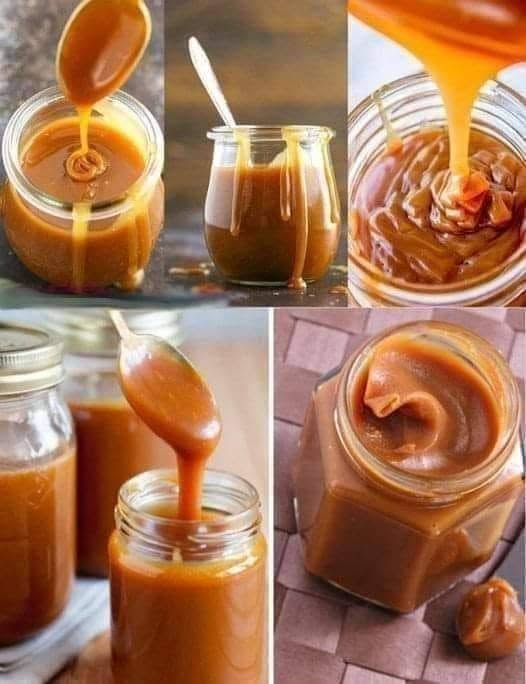
Homemade Caramel Sauce is a rich, buttery, and irresistibly smooth topping that brings a touch of sweetness to almost any dessert. Made with simple ingredients like sugar, butter, heavy cream, vanilla, and a pinch of salt, this classic sauce has a deep golden color and a delicious balance of sweet and slightly toasted flavors.
Whether you drizzle it over ice cream, swirl it into brownies, pour it over cheesecake, or add it to your favorite coffee, this easy caramel sauce is a wonderful recipe to keep on hand. Making it at home allows you to control the flavor, thickness, and saltiness, giving you a fresh, bakery-style topping whenever you need one.
Can This Homemade Caramel Sauce Support Weight Loss Goals?
Homemade caramel sauce can be enjoyed as part of a balanced eating routine when used in moderate portions. Preparing it at home gives you control over the ingredients and helps you decide how much sauce to add to your desserts.
Traditional caramel sauce contains sugar and butter, so it is relatively calorie-dense and is not specifically designed for weight loss. A small drizzle can add plenty of flavor without requiring a large amount.
For a lighter option, you can use a smaller serving or choose a recipe formulated with an appropriate sugar substitute. Keep in mind that changing the ingredients can affect the taste, consistency, and cooking method.
Does Homemade Caramel Sauce Fit a High-Protein Lifestyle?
Traditional caramel sauce is not a significant source of protein because its main ingredients are sugar, butter, and cream. It is best viewed as a flavorful topping rather than a protein-rich food.
You can still enjoy it alongside high-protein desserts, such as Greek yogurt, cottage-cheese cheesecake, or protein pancakes. Pairing a small drizzle with a protein-rich base can make it easier to enjoy the flavor while keeping the overall meal balanced.
For low-carb or keto-style eating, a specially formulated version made with a suitable sweetener may be an option. Regular sugar-based caramel sauce is high in carbohydrates, so check the ingredients and serving size when tracking net carbs.
My Personal Experience
- The golden color makes it irresistible.
Watching the sugar transform into a warm amber caramel is one of the most satisfying parts of this recipe. The color also helps indicate when the caramel has developed its rich, toasted flavor. - Butter and cream create a luxurious texture.
Adding butter gives the sauce a smooth, rich taste, while heavy cream helps create the pourable consistency that makes it perfect for drizzling. - A little salt balances the sweetness.
Even a small pinch of salt can make the caramel taste more rounded and enhance its buttery notes. - It is a versatile homemade topping.
One batch can be used on ice cream, cakes, brownies, fruit, and coffee, making it a handy addition to your dessert collection.
Perfect For
- Homemade dessert toppings
- Ice cream and sundae recipes
- Brownies, cakes, and cupcakes
- Cheesecake and apple desserts
- Coffee and homemade frappes
- Sweet breakfast treats
- Holiday baking and edible gifts
- High-protein desserts when paired with protein-rich foods
- Low-carb dessert adaptations when prepared with suitable alternative ingredients
Why You’ll Love This Recipe
- Simple pantry ingredients.
You only need a handful of familiar ingredients to make a rich caramel sauce at home. - Better flavor than many ready-made sauces.
Freshly cooked caramel has a deep, buttery flavor that can be adjusted to your taste. - Easy to customize.
Add a little extra salt for salted caramel or a touch more vanilla for a warm, fragrant finish. - Perfect for countless desserts.
Drizzle it over ice cream, brownies, cheesecake, pancakes, or sliced apples. - Make-ahead friendly.
Prepare a batch in advance and refrigerate it so you have a sweet topping ready whenever you need it. - Adjustable consistency.
The sauce thickens as it cools and becomes pourable again when gently warmed.
Common Mistakes to Avoid
- Stirring the sugar too much while it melts.
Frequent stirring can encourage crystallization. Swirl the saucepan gently if needed, and use a clean, dry pan. - Cooking the sugar until it becomes too dark.
Caramel can turn from golden to burnt quickly. Remove it from the heat when it reaches a rich amber color. - Adding cold cream too quickly.
Cold cream can cause the hot caramel to bubble vigorously and seize. Warm the cream slightly and pour it in gradually while whisking carefully. - Using a small saucepan.
Caramel bubbles and expands when cream is added. Use a medium or large, heavy-bottomed saucepan to reduce the risk of overflowing. - Touching or tasting hot caramel.
Melted sugar becomes extremely hot and can cause serious burns. Never taste it while cooking, and allow it to cool before handling.
Required Equipment
- Heavy-bottomed saucepan — distributes heat more evenly and helps prevent hot spots.
- Heat-resistant spatula or wooden spoon — helps manage the ingredients safely.
- Whisk — blends the butter and cream into a smooth sauce.
- Measuring cups and spoons — keep the ingredient proportions consistent.
- Candy thermometer (optional) — helps monitor the sugar’s temperature if you prefer precise control.
- Heatproof glass jar — stores the cooled caramel sauce conveniently in the refrigerator.
Storage Instructions
- Refrigeration: Allow the sauce to cool, then transfer it to a clean, airtight container and refrigerate for up to 2 weeks.
- Reheating: Warm small portions gently in the microwave in short intervals or in a saucepan over low heat. Stir between intervals.
- Thickened sauce: Caramel naturally becomes thicker when cold. Add a small splash of warm cream while reheating if needed.
- Freezing: You can freeze the cooled sauce in a freezer-safe container for about 2–3 months. Leave room for expansion and thaw it in the refrigerator.
- Avoid contamination: Use a clean spoon each time you serve the sauce, and refrigerate it promptly after use.
Recipe Details
- Prep Time: 5 minutes
- Cook Time: 10–15 minutes
- Cooling Time: 20–30 minutes
- Total Time: Approximately 40–50 minutes
- Yield: About 1¼ cups
- Difficulty: Easy to moderate
- Cuisine: American-inspired
- Course: Dessert sauce
- Method: Stovetop
Short Description
This homemade caramel sauce combines golden caramelized sugar, butter, heavy cream, and vanilla for a smooth, rich topping. It is easy to prepare and perfect for ice cream, brownies, cheesecake, coffee, and more.
Ingredients
- 1 cup granulated sugar
- 6 tablespoons unsalted butter, cut into pieces
- ½ cup heavy whipping cream, slightly warmed
- 1 teaspoon vanilla extract
- ¼ teaspoon salt, or to taste
Optional: Use flaky sea salt instead of regular salt for a salted caramel finish.
Step-by-Step Instructions
Step 1: Prepare the Ingredients
Measure all the ingredients before you begin. Cut the butter into small pieces and gently warm the heavy cream until it is warm but not boiling.
Caramel cooks quickly, so having everything ready makes the process easier and safer.
Step 2: Melt the Sugar
Add the granulated sugar to a clean, dry, heavy-bottomed saucepan over medium heat.
Allow the sugar to begin melting around the edges. Gently swirl the pan occasionally to help the sugar melt evenly. If necessary, use a heat-resistant spatula to move any unmelted sugar carefully.
Step 3: Cook Until Golden Amber
Continue cooking until the sugar has completely melted and turned a deep golden amber color. Watch it closely because the color can change quickly, and burnt sugar will taste bitter.
Remove the pan from the heat as soon as the caramel reaches the desired color.
Step 4: Add the Butter
Carefully add the butter pieces. The mixture will bubble vigorously, so keep your hands and face away from the pan.
Whisk until the butter has melted and combined with the caramel. If the mixture bubbles intensely, pause briefly and continue whisking once it settles.
Step 5: Slowly Add the Cream
Gradually pour in the warm heavy cream while whisking continuously. The caramel will bubble and may temporarily become firm or lumpy.
Return the saucepan to low heat if necessary and whisk gently until the mixture becomes smooth. Avoid splashing, as the caramel will remain extremely hot.
Step 6: Add Vanilla and Salt
Remove the saucepan from the heat. Stir in the vanilla extract and salt until evenly distributed.
Taste only after the sauce has cooled sufficiently. Add a little more salt if you prefer a salted caramel flavor.
Step 7: Cool and Store
Let the sauce cool in the saucepan for several minutes before transferring it to a heatproof container. It will thicken as it cools.
Once cooled, cover and refrigerate. Reheat gently whenever you want a smooth, pourable consistency.
Approximate Nutrition Information
Estimated per tablespoon, assuming approximately 20 tablespoons per batch. Values vary with ingredient brands and the final yield.
| Nutrient | Approximate Amount |
|---|---|
| Calories | 85 kcal |
| Total Fat | 5 g |
| Saturated Fat | 3 g |
| Cholesterol | 15 mg |
| Sodium | 35 mg |
| Potassium | 10 mg |
| Total Carbohydrates | 10 g |
| Dietary Fiber | 0 g |
| Net Carbohydrates | 10 g |
| Total Sugars | 10 g |
| Protein | 0 g |
| Calcium | 8 mg |
Helpful Notes
- Use a heavy-bottomed pan: It helps distribute the heat and makes the sugar less likely to burn in isolated spots.
- Choose your preferred caramel flavor: A lighter amber color gives a sweeter, milder flavor, while a deeper amber color provides more pronounced toasted notes.
- Warm the cream first: This helps reduce the temperature difference when it meets the hot caramel, although bubbling will still occur.
- Expect the sauce to thicken: The caramel may seem thin when warm but will become thicker as it cools.
- Fix a sauce that becomes firm: Warm it gently over low heat and whisk until smooth. A small amount of warm cream can help loosen it.
- Make salted caramel: Increase the salt slightly or finish with a pinch of flaky sea salt after cooking.
- Keep safety in mind: Melted sugar can cause severe burns. Use a stable pan, keep children away from the stove, and never handle or taste the caramel while it is hot.
Frequently Asked Questions
1. Why did my caramel sauce become hard when I added the cream?
The temperature difference can cause the caramelized sugar to seize temporarily. This is usually manageable. Return the saucepan to low heat and whisk gently until the caramel dissolves into the cream and becomes smooth.
2. Can I make caramel sauce without a candy thermometer?
Yes. A thermometer is optional for this recipe. Watch the sugar carefully and remove it from the heat when it reaches a rich golden amber color.
3. Can I use salted butter instead of unsalted butter?
Yes. If you use salted butter, reduce or omit the additional salt initially. Taste the cooled sauce and add more salt only if needed.
4. Why is my caramel sauce bitter?
The sugar was likely cooked too long or became too dark. Caramel continues cooking from residual heat after the pan is removed from the stove, so take it off the heat when it reaches a rich amber shade.
5. How do I make the sauce thinner?
Warm the sauce gently and whisk in a small amount of warm heavy cream until it reaches your preferred consistency. Add the cream gradually to avoid making it too thin.
6. Can I make homemade caramel sauce ahead of time?
Absolutely. Prepare it in advance, allow it to cool, and refrigerate it in an airtight container. Reheat the amount you need gently before serving.
7. Can I use this sauce for salted caramel desserts?
Yes. This recipe works beautifully for salted caramel brownies, cheesecakes, cupcakes, cookies, and ice cream. Adjust the salt to complement the sweetness of the dessert.
8. Is homemade caramel sauce keto-friendly?
Traditional caramel sauce is not keto-friendly because granulated sugar contributes a substantial amount of carbohydrates. A separate recipe made with a suitable low-carb sweetener may work, but alternative sweeteners behave differently when heated and may not produce the same texture.
9. Can I use milk instead of heavy cream?
You can experiment with whole milk, but the sauce will generally be thinner and less rich. Heavy cream provides the fat content that helps create a smooth, luscious consistency.
10. What desserts pair best with homemade caramel sauce?
It pairs especially well with vanilla ice cream, apple pie, brownies, cheesecake, bread pudding, pancakes, waffles, and chocolate cake. You can also stir a small amount into coffee or drizzle it over baked apples for an easy treat.