
Description
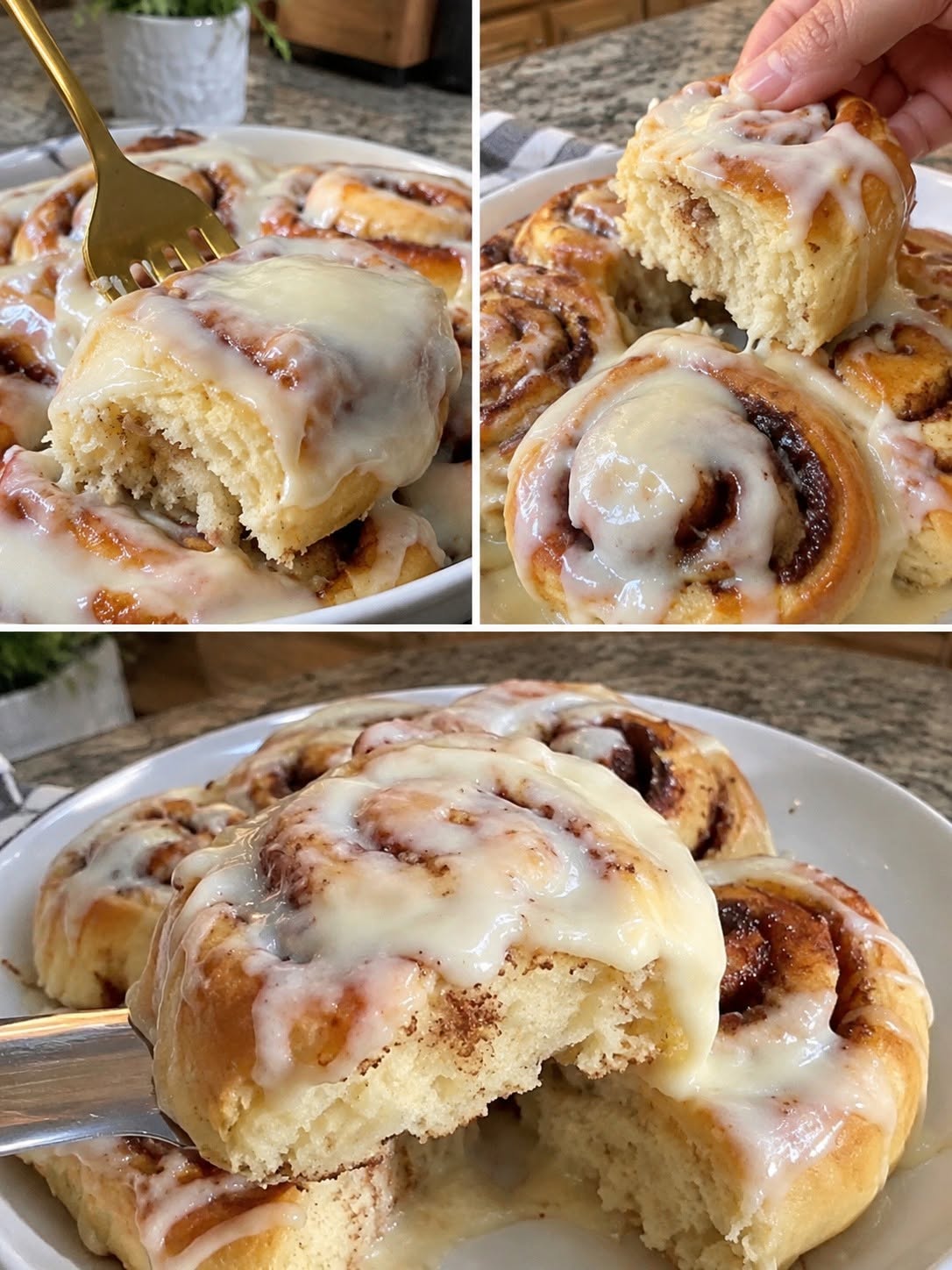
These High-Protein Cinnamon Rolls are soft, warmly spiced, and deliciously gooey, with a sweet cinnamon filling tucked inside a tender, protein-rich dough. Cottage cheese and protein powder add a satisfying protein boost, while Greek yogurt creates a creamy vanilla glaze that melts over the warm rolls.
They’re a delicious way to enjoy a classic cinnamon roll while keeping the recipe more suitable for a high-protein, lower-carb lifestyle. Perfect for breakfast, brunch, meal prep, or a high-protein dessert when you want something sweet without relying entirely on traditional refined-flour dough.
Short Description
Soft and fluffy cinnamon rolls with a warm cinnamon filling and creamy vanilla Greek-yogurt glaze.
Cottage cheese and protein powder add a satisfying boost of protein to this lower-carb treat.
Perfect for high-protein breakfasts, snacks, desserts, and cozy weekend baking.
Can These High-Protein Cinnamon Rolls Support Weight Loss Goals?
These cinnamon rolls can fit into a weight-loss-oriented eating pattern when enjoyed in portions that work with your overall calorie needs. The recipe includes cottage cheese, Greek yogurt, and protein powder, which provide protein and can make the rolls more satisfying than a traditional sweet pastry. Using almond flour instead of a large amount of regular flour also reduces the carbohydrate content. As with any dessert, portion size and your overall daily food intake remain important.
Do These Cinnamon Rolls Fit a High-Protein Lifestyle?
Yes, these cinnamon rolls are designed with several protein-rich ingredients, including cottage cheese, whey protein powder, Greek yogurt, and an egg. Each serving provides approximately 16 g of protein with around 9 g of net carbs, depending on the brands and protein powder used. Almond flour helps keep the carbohydrate content lower than conventional cinnamon-roll dough. They work particularly well as a high-protein breakfast or satisfying sweet snack.
My Personal Experience
-
The cottage cheese makes the dough surprisingly tender.
Once blended into the dough, it contributes moisture and richness without leaving a noticeable cottage-cheese texture. -
The cinnamon filling gives every roll a cozy, bakery-style flavor.
Brown sugar or a suitable alternative combines with cinnamon and butter to create a fragrant, gooey center. -
The Greek-yogurt glaze is my favorite finishing touch.
Its creamy, slightly tangy flavor balances the sweetness of the cinnamon filling beautifully. -
They are especially satisfying while still warm.
The centers stay soft and tender, while the edges develop a lightly golden texture during baking.
Perfect For
These High-Protein Cinnamon Rolls are ideal for:
-
High-protein breakfast
-
Lower-carb breakfast recipes
-
High-protein snacks
-
High-protein desserts
-
Weekend brunch
-
Meal-prep breakfasts
-
Post-workout snack ideas
-
Keto-style meal planning
-
Cozy fall and winter baking
-
Sweet cravings on a protein-focused eating plan
Why You’ll Love This Recipe
-
Classic cinnamon-roll flavor with extra protein.
Cottage cheese, whey protein, Greek yogurt, and egg make the recipe more protein-focused than a conventional pastry. -
Soft, tender centers.
The combination of blended cottage cheese and almond flour helps create a moist texture without requiring traditional yeast dough. -
Creamy protein-rich glaze.
Greek yogurt creates a smooth topping that adds tanginess and complements the cinnamon filling. -
No long yeast rise required.
This recipe uses baking powder, so you can go from mixing to baking without waiting for the dough to double in size. -
Lower in carbohydrates than traditional cinnamon rolls.
Almond flour replaces much of the conventional wheat flour, helping reduce the overall carbohydrate content. -
Great for portion-controlled treats.
Making eight individual rolls makes it easy to enjoy a satisfying sweet treat while keeping portions defined.
Common Mistakes to Avoid
-
Leaving the cottage cheese chunky — Blend it until smooth so the dough develops an even texture without noticeable curds.
-
Adding too much flour — Protein powder and almond flour absorb moisture differently, so add any extra flour gradually to prevent dry, crumbly dough.
-
Rolling the dough too thin — A moderately thick rectangle creates fuller, softer rolls and gives the cinnamon filling enough room to stay gooey.
-
Overbaking the rolls — Remove them when the edges are lightly golden and the centers are set but still soft; overbaking can make protein-rich dough dry.
Required Equipment
-
Food processor or blender — Smooths the cottage cheese into a creamy consistency for a more uniform dough.
-
Large mixing bowl — Provides enough space to combine the dry and wet ingredients thoroughly.
-
Rolling pin — Helps create an even dough rectangle for consistent rolls.
-
Sharp knife or unflavored dental floss — Makes clean cuts without excessively compressing the spirals.
-
8-inch round or square baking dish — Keeps the rolls close together for softer sides and even baking.
-
Small mixing bowl — Makes preparing the cinnamon filling and glaze quick and simple.
-
Parchment paper — Makes removing the finished rolls easier and reduces sticking.
Storage Instructions
Allow the cinnamon rolls to cool completely before storing. Place them in an airtight container and refrigerate for up to 4 days. Keep the glaze refrigerated as well if you prefer to add it after reheating.
For freezing, wrap individual cooled rolls tightly in plastic wrap or freezer-safe wrap, then place them in a freezer bag or airtight container. Freeze for up to 2 months for best quality.
To reheat from the refrigerator, microwave one roll for approximately 20–30 seconds or warm it in a 300°F (150°C) oven for 6–8 minutes. Add fresh glaze after reheating for the best texture.
Frozen rolls can be thawed overnight in the refrigerator and reheated before serving.
Recipe Details
-
Preparation Time: 20 minutes
-
Cooking Time: 20–24 minutes
-
Total Time: 44–48 minutes
-
Servings: 8 cinnamon rolls
-
Best Season: All-season
-
Total Calories: Approximately 235 calories per serving
📝 Ingredients
For the Dough
-
1 cup (225 g) low-fat cottage cheese
-
1 large egg
-
1 cup (100 g) almond flour
-
½ cup (50 g) vanilla whey protein powder
-
2 tbsp coconut flour
-
1½ tsp baking powder
-
1 tbsp granulated sweetener
-
½ tsp vanilla extract
-
¼ tsp salt
Ingredient note: Protein powders vary considerably in absorbency. If the dough feels very sticky, add coconut flour 1 teaspoon at a time rather than adding a large amount at once.
For the Cinnamon Filling
-
2 tbsp unsalted butter, softened
-
3 tbsp brown sugar or brown-sugar-style sweetener
-
1½ tbsp ground cinnamon
-
½ tsp vanilla extract
-
Pinch of salt
For the Protein Glaze
-
½ cup (120 g) plain nonfat Greek yogurt
-
1 tbsp vanilla whey protein powder
-
1 tbsp powdered sweetener, or to taste
-
½ tsp vanilla extract
-
1–2 tsp milk, as needed for consistency
Ingredient note: Add the milk gradually; the glaze should be thick enough to coat the rolls without becoming watery.
Directions
-
Preheat the oven.
Heat the oven to 350°F (175°C). Line an 8-inch baking dish with parchment paper or lightly grease it. -
Blend the cottage cheese.
Add cottage cheese, egg, and vanilla extract to a blender or food processor. Blend for 30–45 seconds, until completely smooth and creamy. -
Mix the dry ingredients.
In a large bowl, whisk together almond flour, whey protein powder, coconut flour, baking powder, sweetener, and salt. -
Make the dough.
Pour the blended cottage-cheese mixture into the dry ingredients. Stir until a soft dough forms. Let it rest for 2–3 minutes so the coconut flour and protein powder can absorb some moisture. -
Check the texture.
The dough should be soft and pliable but not excessively sticky. If necessary, add coconut flour 1 teaspoon at a time until it can be rolled without sticking excessively. -
Prepare the filling.
In a small bowl, mix the softened butter, brown sugar or sweetener, cinnamon, vanilla, and salt until a smooth paste forms. -
Roll out the dough.
Place the dough between two sheets of parchment paper. Roll it into an approximately 10 × 12-inch rectangle, keeping the thickness relatively even. -
Add the cinnamon filling.
Spread the cinnamon mixture evenly across the dough, leaving about ½ inch around the edges so the filling does not squeeze out excessively when rolled. -
Roll the dough.
Starting from one long side, carefully roll the dough into a tight log. Roll gently rather than squeezing firmly, which can push the filling out. -
Cut the rolls.
Use a sharp knife or unflavored dental floss to cut the log into 8 equal pieces. Place them cut-side up in the prepared baking dish. -
Bake.
Bake at 350°F (175°C) for 20–24 minutes. The edges should be lightly golden, the centers should look set, and the tops should feel soft but not wet. -
Prepare the glaze.
While the rolls bake, whisk Greek yogurt, whey protein powder, powdered sweetener, and vanilla together. Add milk 1 teaspoon at a time until you reach a thick, drizzleable consistency. -
Cool briefly and glaze.
Allow the rolls to cool for 5–10 minutes. Spread or drizzle the protein glaze over the warm rolls and serve.
High-protein cooking tip: Avoid overbaking these rolls. Protein-rich dough can become firm when exposed to excessive heat, so removing them as soon as the centers are set helps preserve their soft texture.
Nutrition Facts (Per Serving – Approximate)
-
Calories: 235 kcal
-
Fat: 15 g
-
Cholesterol: 50 mg
-
Sodium: 250 mg
-
Potassium: 190 mg
-
Total Carbohydrates: 13 g
-
Fiber: 4 g
-
Net Carbs: 9 g
-
Sugars: 3 g
-
Protein: 16 g
-
Calcium: 150 mg
Nutrition values are approximate estimates and can vary depending on the brands of protein powder, cottage cheese, Greek yogurt, sweetener, and other ingredients used.
Notes
-
Storage: Refrigerate cooled rolls in an airtight container for up to 4 days.
-
Freezing: Freeze individually wrapped rolls for up to 2 months and thaw overnight before reheating.
-
Reheating: Microwave for 20–30 seconds or warm in a 300°F (150°C) oven for 6–8 minutes.
-
Allergy note: This recipe contains dairy, eggs, and almonds; whey protein is also dairy-derived.
-
Protein powder: Vanilla whey provides both flavor and structure, so substitutions may change the dough consistency.
-
Flavor boost: Add a pinch of cardamom or extra vanilla to the filling for a warmer, bakery-style flavor.
-
Extra cinnamon: Sprinkle a little cinnamon over the glaze immediately before serving for stronger cinnamon aroma.
-
Sweeter glaze: Adjust the powdered sweetener according to your preferred sweetness.
-
Texture tip: Let the rolls rest for a few minutes after baking before glazing so the topping stays creamy rather than melting completely.
Frequently Asked Questions
Can I make these cinnamon rolls without protein powder?
Yes, but protein powder contributes significantly to the texture and protein content, so removing it will require adjusting the dry ingredients.
Can I use whey isolate instead of whey protein powder?
Yes, whey isolate can work, although its different absorption properties may require a small adjustment to the coconut flour.
Can I use regular flour instead of almond flour?
Yes, but the carbohydrate, calorie, and protein values will change substantially.
Why are my protein cinnamon rolls dry?
Overbaking or adding too much coconut flour can make protein-rich dough dry, so bake only until the centers are just set.
Can I prepare the rolls the night before?
Yes, you can assemble the unbaked rolls, cover them tightly, refrigerate overnight, and bake them the following morning.
Are these cinnamon rolls keto-friendly?
They are lower in carbohydrates than traditional cinnamon rolls, but whether they fit a specific keto diet plan depends on the individual’s daily carbohydrate target and the exact ingredients used.